
Types of Automatic Transmission Explained
You can put two different vehicles in Drive and notice right away that they don’t accelerate or change gears in quite the same way. One may move through each gear with a familiar rise and fall in engine speed, and another may build speed without any obvious gear changes at all. Those differences come from what’s operating underneath the gear selector.
The various types of automatic transmissions use their own mechanical approach to deliver power from the engine to the wheels. So let’s find out what separates them and how each one affects your time behind the wheel.
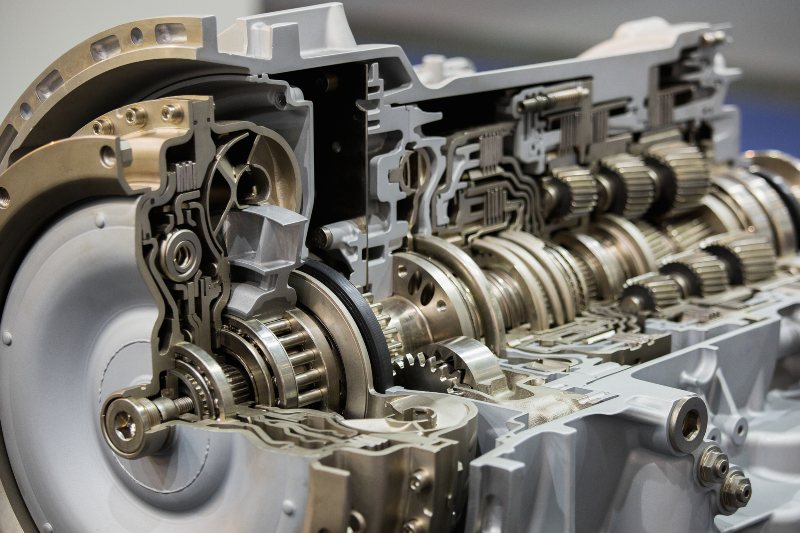
What Is an Automatic Transmission?
An automatic transmission controls gear selection without the need for you to press a clutch pedal or move the shifter through each gear. As you accelerate, slow down, or encounter a hill, the transmission adjusts the ratio between engine speed and wheel speed so the engine can produce the power your vehicle needs.
But as you’ll see throughout this automatic transmission guide, different systems make those adjustments in very different ways. Some move through fixed gears, and others continuously vary the ratio as you drive.
Main Types of Automatic Transmissions
Most automatic vehicles use one of three transmission designs. Each handles power delivery differently, which explains why one vehicle’s shifts may feel familiar and defined while another accelerates without noticeable steps between gears.
Torque Converter Transmission
A traditional torque converter transmission uses hydraulic fluid to carry power from the engine into the transmission. As the engine turns, an internal pump moves fluid, which spins a turbine that sends power through planetary gearsets. Internal clutches then determine which gear ratio the vehicle uses.
This design allows you to sit at a stop in Drive without stalling. Once you release the brake, the vehicle can ease forward before you even press the accelerator.
CVT Transmission
Rather than shifting through a series of fixed gears, a CVT transmission typically uses two variable-width pulleys connected by a belt or chain. As the pulleys narrow or widen, the belt rides at a different diameter and produces the ratio needed at that moment.
Because those ratios change continuously, your engine may hold at one speed as the vehicle accelerates. Some newer CVTs create simulated shift points to produce the familiar sensation of moving through gears.
Dual-Clutch Transmission
A dual clutch transmission uses one clutch for the odd-numbered gears and another for the even-numbered gears. As the vehicle travels in one gear, the system can prepare the next gear on the opposite clutch. It then completes the shift by disengaging one clutch and engaging the other.
That process produces the quick, distinct gear changes many drivers associate with performance vehicles. Since physical clutches still need to engage, low-speed crawling may feel different than it would with a torque converter.
Comparing Automatic Transmission Types
The differences among automatic transmission types become much clearer from the driver’s seat. A traditional automatic provides recognizable gear changes and smooth creeping in traffic. A CVT can raise the engine speed and hold it there as the vehicle continues accelerating. A dual-clutch system tends to deliver quicker, more pronounced shifts once you’re moving.
You may appreciate one of those experiences more than another, but each design was created for a particular combination of vehicle size, performance, efficiency, and everyday use.
Which Transmission Fits Your Driving?
When you compare automatic gearbox types, think about where and how you’ll use the vehicle. A torque-converter automatic may suit a driver who values smooth operation in everyday traffic. A CVT often pairs well with a commuter vehicle designed to make efficient use of its engine. And a dual-clutch system may appeal to someone who enjoys quick acceleration and crisp shifts.
You’ll also want to consider any towing or hauling you plan to do. Check the vehicle manufacturer’s ratings rather than assuming every automatic design can handle the same load.
Signs Your Transmission Needs Service
Get to know how your own vehicle normally behaves before deciding that every unfamiliar sensation signals trouble. A CVT holding the engine at a consistent speed during acceleration, for example, may be operating exactly as designed.
If you notice any new or worsening behavior, it’s best to involve a transmission specialist. Pay attention if the transmission hesitates after you select Drive or Reverse, slips as you accelerate, or starts shifting much harder than usual. New whining, humming, or clunking sounds can provide another clue. And if you find red or dark fluid where you park, schedule a diagnosis before the leak leaves the transmission without enough fluid.
Let Us Find Out What Your Transmission Needs
You don’t need to identify every component inside your transmission before bringing us your vehicle. Tell us when the behavior occurs, what you hear or notice, and whether the problem has grown more frequent. Our ASE-certified technicians at Gold Coast Transmissions will diagnose the system, explain what we find, and discuss the repair that fits your particular transmission.
We service traditional automatics, CVTs, and dual-clutch systems at our shops in Fort Lauderdale and Davie. Contact us today to schedule your free diagnosis and find out exactly what your vehicle needs.
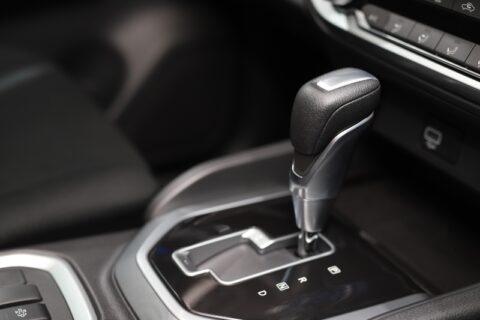
Driving through traffic already asks plenty from you, but choosing every gear doesn’t have to be part of it. Once you select Drive, you can control…
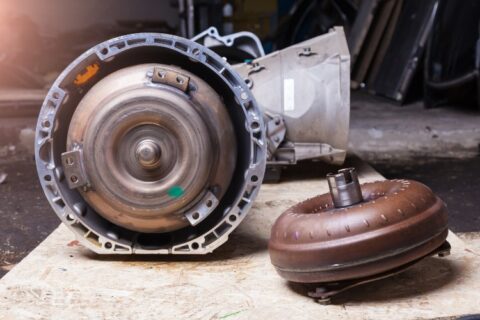
Your automatic transmission relies on dozens of moving parts working in sync, but few are as critical as the torque converter. This fluid-filled…