
How to Drive an Automatic Car: A Beginner’s Guide
The first time you sit behind the wheel, having only two pedals gives you fewer controls to coordinate as you learn how the vehicle responds. You won’t have to press a clutch or choose each gear yourself, but you’ll still need to know what the selector positions do and which actions come next.
Our guide on how to drive an automatic car will take you through that sequence from the moment you settle into the driver’s seat. Let’s get familiar with the controls first.
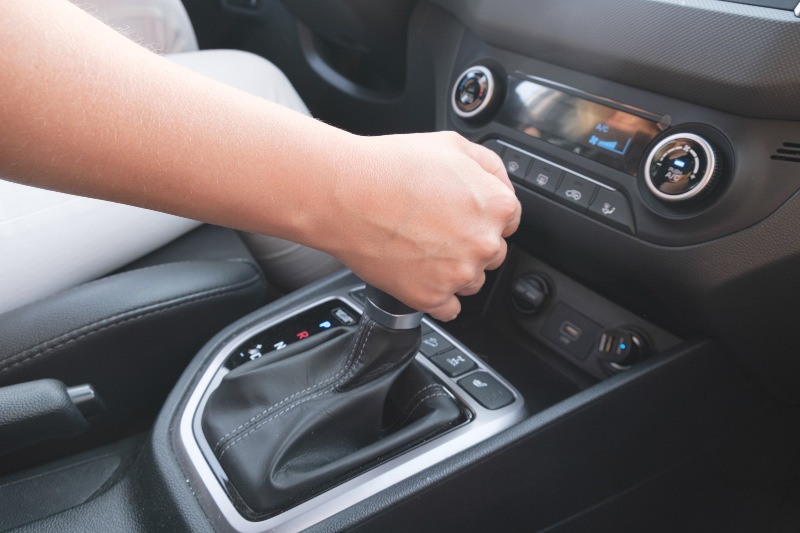
Understanding Automatic Gear Positions
Most automatic vehicles use four main selector positions, although your vehicle may include other modes explained in its owner’s manual. Here are the controls you’ll use most often:
- Park – P locks the transmission for parking and should only be selected once the vehicle has stopped completely.
- Reverse – R lets the vehicle travel backward and should never be selected while you’re still moving forward.
- Neutral – N separates engine power from the driven wheels, allowing the vehicle to roll without the engine moving it.
- Drive – D lets you travel forward while the transmission chooses the appropriate gear as your speed changes.
Before You Start Driving
An automatic car for beginners is going to be so much easier to control when you can comfortably reach everything you need. Adjust the seat until you can press the brake fully without stretching your leg, then set the rearview and side mirrors for a clear view around the vehicle.
Fasten your seat belt and identify both pedals before starting the engine. The wider pedal on the left is the brake, and the narrower pedal on the right is the accelerator. You’ll operate both with your right foot.
How to Start an Automatic Car
During your first few automatic driving lessons, take your time with the starting sequence. Confirm that the selector is in Park, then follow the starting procedure in the vehicle’s owner’s manual. Many newer vehicles require you to press the brake with your right foot before using the key or start button.
Look at the dashboard before going any further. Make sure the vehicle has started normally and check for any warning lights that need your attention. With your foot still holding the brake, select Drive when you’re ready to travel forward.
Driving an Automatic Car
Release the parking brake and check the road around you before easing your right foot off the brake. Many automatic vehicles will begin creeping forward without any pressure on the accelerator, so give yourself a moment to notice how yours responds. Then press the accelerator gradually to gain speed.
When you’re driving an automatic transmission, use your right foot for both pedals. Lift it from the accelerator and move it to the brake when you need to slow down. The transmission will select each forward gear as your speed and accelerator input change.
How to Reverse an Automatic Car
Bring the vehicle to a complete stop and keep your right foot pressed on the brake before selecting Reverse. Check your mirrors, look over your shoulder for anything outside their view, and confirm that the path behind you is clear.
Release the brake gradually and let the vehicle begin moving backward at a controlled speed. Keep checking the space around you as you steer. A backup camera can give you another useful view, but it shouldn’t replace looking through the windows and checking your mirrors.
How to Park an Automatic Vehicle
Slow down with the brake and bring the vehicle to a complete stop in the parking space. Keep your right foot on the pedal as you apply the parking brake and select Park according to the procedure in your owner’s manual. You can then switch off the engine and release the brake pedal.
Learning how to drive an automatic vehicle safely includes securing it correctly at the end of every trip. Before getting out, check that the selector indicates Park and that the parking brake is engaged.
Common Mistakes Beginners Should Avoid
Never select Reverse or Park while the vehicle is still moving. Reverse changes the vehicle’s direction, and Park engages a locking mechanism inside the transmission. Wait until the wheels have stopped before choosing either position.
You should also avoid using your left foot for the brake or pressing both pedals at once during normal driving. Using one foot gives you a clear choice between accelerating and braking. And keep the selector in Drive while the vehicle is moving forward rather than shifting into Neutral to coast.
Helpful Tips for New Automatic Drivers
Some of the most useful beginner automatic car tips come down to giving each action you take enough time. Practice applying smooth pressure on the pedals, start your braking early, and make every selector movement deliberately. Check the displayed gear before releasing the brake so you know which direction the vehicle is prepared to travel.
Start practicing in a quiet area where you can legally drive with a qualified instructor or properly licensed adult. As the sequence becomes familiar, you can give more of your attention to traffic, road position, and the space around your vehicle.
Partner With the Gold Standard in All Things Transmissions
A new driver may need some practice to learn how an automatic vehicle responds. But if the transmission takes several moments to engage, slips as you accelerate, or produces a new clunk when you select Drive or Reverse, the vehicle itself may need attention.
Tell our team at Gold Coast Transmissions exactly what happened and which gear you selected when you noticed it. We’ll test the vehicle, diagnose the transmission, and clearly explain what we find. Contact our Fort Lauderdale or Davie shop to schedule your free diagnosis before the problem interrupts another drive.

You’re cruising, then all of a sudden, your car won’t shift. It’s stuck in one gear, and the dash lights up ike a Christmas tree. That’s limp mode.…