
CVT vs. Automatic vs. DCT: Which Transmission Lasts Longest in Florida Driving Conditions?
Which Transmission Lasts Longest on Florida Roads?
Driving in Florida can be challenging for vehicles. Between the sweltering heat, bumper-to-bumper traffic on I-95, and the salt-heavy coastal air, your transmission takes a beating that drivers in cooler, less humid states don’t experience. So when you’re buying a car in the Sunshine State, the type of transmission under the hood matters a lot.
Below, we’ll compare how CVT transmissions, automatic transmissions, and DCT transmissions hold up in Florida conditions, including their durability, fuel efficiency, and overall performance. Our goal is to help you decide which one is best suited for long-term reliability in Florida.

Different Types of Car Transmissions Explained
Before comparing durability, it helps to understand what each transmission type actually does. Here are the different types of car transmissions explained:
- CVT Transmission – A CVT transmission (Continuously Variable Transmission) uses two variable-diameter pulleys connected by a steel belt or chain instead of fixed gears. The pulleys continuously adjust their size to maintain optimal engine RPM, allowing for smooth, seamless acceleration without traditional gear shifts. CVT fluid keeps the belt gripping the pulleys correctly. Using the wrong fluid, even once, can cause irreversible damage.
- DCT Transmission – A DCT transmission (Dual-Clutch Transmission) uses two separate clutches: one for odd-numbered gears and one for even-numbered gears. While one gear engages, the next is already preselected, enabling rapid, near-seamless gear changes. DCT transmissions are common in performance-oriented vehicles from brands such as Hyundai, Kia, Porsche, and Audi.
- Automatic Transmission – Automatic transmissions use a system of planetary gearsets, hydraulic clutches, and a torque converter to shift through a fixed number of gear ratios, typically six to ten in modern vehicles. This technology has been refined over more than a century and remains the most widely understood and serviced transmission type in the United States.
How Florida Conditions Affect Transmission Life
Florida presents a set of challenges that accelerate transmission wear faster than in most other states. These include:
- Heat – Florida’s average summer temperatures regularly exceed 90°F, and road-level heat climbs even higher. Transmission fluid degrades faster in extreme heat, reducing its ability to lubricate and cool internal components.
- Humidity and Salt Air – Coastal environments expose transmission components to moisture and salt, accelerating corrosion in seals, sensors, and housings.
- Stop-and-Go Traffic – Florida cities are notorious for heavy congestion. Repeated acceleration and braking cycles generate significant heat inside the transmission.
- Flat Terrain – Unlike mountainous states, Florida’s flat roads reduce the need for aggressive downshifting. However, this benefit is largely offset by the heat and traffic factors.
Durability Comparison: CVT vs. Automatic Transmission vs. DCT
Durability is crucial when choosing a transmission for Florida driving. Since CVTs, automatics, and DCTs handle Florida’s harsh conditions differently, understanding their long-term reliability will help you make an informed choice and avoid costly repairs.
CVT Durability in Florida Conditions
CVT transmissions are the most heat-sensitive of the three. The steel belt and pulley system requires precise CVT fluid lubrication to prevent slippage and overheating. In Florida’s climate, CVT fluid breaks down faster than manufacturer guidelines often suggest, making more frequent changes essential.
When a CVT fails, it tends to do so suddenly. Belt failure renders the vehicle completely inoperable and typically damages the pulleys as well, resulting in repair bills that can exceed the vehicle’s value. For Florida drivers who accumulate high mileage quickly, this risk is meaningful.
Automatic Transmission Durability in Florida
Automatic transmissions are the most heat-tolerant of the group. The torque converter and planetary gearsets are engineered to handle high-load, high-heat scenarios. Properly maintained automatic transmissions routinely exceed 200,000 miles of service life, even in demanding environments.
Another advantage is repairability. When automatic transmissions develop problems, they tend to do so gradually, giving drivers time to intervene before catastrophic failure occurs. Most Florida repair shops have the tools, parts, and experience to service automatic transmissions, which keeps repair costs competitive.
DCT Durability in Florida Conditions
DCT transmissions sit between automatics and CVTs in terms of durability. Their dual-clutch design delivers excellent fuel efficiency and engaging performance, but the wet or dry clutch packs can wear faster in heavy stop-and-go traffic, which is precisely the conditions found on Florida’s urban roads.
Wet-clutch DCTs, which use fluid for clutch lubrication, handle heat better than dry-clutch designs and are generally more durable in city driving. Dry-clutch DCTs, however, struggle in slow-moving traffic and can overheat, leading to premature clutch wear and jerky low-speed behavior.
What is a DCT transmission’s biggest challenge in Florida? The combination of heat and traffic. Unlike automatic transmissions, which manage heat through their torque converters, DCTs rely on clutch packs that are more vulnerable to thermal stress from prolonged stop-and-go use.
Maintenance Requirements Comparison: DCT vs. CVT vs. Automatic
When it comes to maintenance requirements, there are some key differences between DCTs, CVTs, and traditional automatic transmissions. Let’s take a closer look at these three types of transmissions:
- Dual Clutch Transmissions – DCTs have fewer moving parts compared to automatic transmissions, which can make them more reliable and less prone to wear and tear. However, they do require regular fluid changes as the clutch packs can overheat and degrade over time. It is recommended that DCT fluid be changed every 30,000-50,000 miles.
- Continuously Variable Transmissions – CVTs are known for their efficiency and smooth operation, but can be expensive to repair if they do fail. Unlike traditional transmissions, CVTs use a system of belts and pulleys to vary the gear ratio instead of fixed gears. This allows for seamless acceleration but can also increase wear on the belts and pulleys, requiring more frequent maintenance at 60,000-100,000 miles.
- Automatic Transmissions – Unlike CVTs, traditional automatic transmissions require regular fluid and filter changes at recommended intervals, usually every 30,000 to 60,000 miles. This is important to keep the transmission running smoothly and prevent potential damage. In addition to fluid and filter changes, traditional automatic transmissions may also require other routine maintenance, such as adjusting the bands or replacing worn-out parts like clutches or gears.
Which Transmission Lasts Longest in Florida?
When comparing CVT transmission vs. automatic and DCT options for Florida driving, the traditional automatic transmission consistently comes out ahead on longevity and overall reliability. Here’s the short version of transmission performance in Florida:
- Choose an automatic transmission if you prioritize long-term durability, towing capability, or plan to keep your vehicle beyond 150,000 miles. Automatic transmissions handle Florida’s heat, humidity, and stop-and-go traffic better than any other type of transmission.
- Choose a CVT transmission if you prioritize fuel efficiency, drive mainly in light urban conditions, and commit to strict maintenance schedules. A well-maintained CVT can last, but the margin for error is smaller, especially in Florida’s heat.
- Choose a DCT transmission if you value performance and fuel efficiency, drive primarily on highways or open roads, and experience less daily congestion. Avoid dry-clutch DCTs if heavy city traffic is your norm.
Protect Your Transmission Under the Florida Sun
Ultimately, understanding the specific needs of your vehicle’s transmission is key to ensuring its longevity on Florida’s demanding roads. Whether you drive a CVT, DCT, or traditional automatic, staying proactive with scheduled fluid changes and professional inspections will protect your investment from the state’s intense heat and humidity. Schedule an appointment with Gold Coast Transmissions today and let our experts keep your vehicle’s transmission running smoothly in the Florida sun.
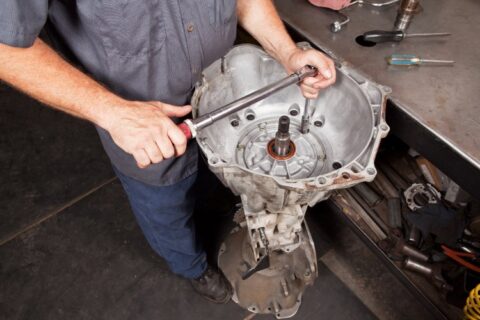
A transmission rebuild is a common mechanical procedure for getting your vehicle back up and running. It involves disassembling, inspecting,…

The first time you sit behind the wheel, having only two pedals gives you fewer controls to coordinate as you learn how the vehicle responds. You…