
What’s Involved in a Transmission Rebuild?
A transmission rebuild is a common mechanical procedure for getting your vehicle back up and running. It involves disassembling, inspecting, replacing worn or damaged parts, and reassembling the transmission to its original state. Below, we’ll break down everything you need to know about transmission rebuilds, from the step-by-step process to cost expectations, so you can make a confident, informed decision for your vehicle.
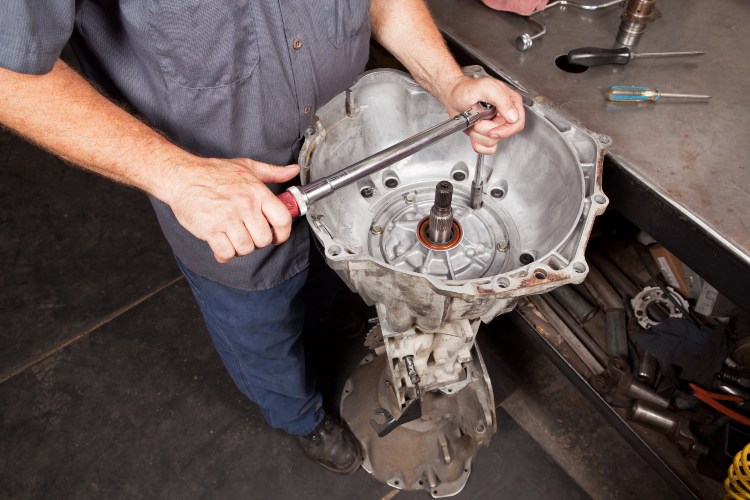
What Is a Transmission Rebuild?
A transmission rebuild is the most comprehensive form of transmission repair, short of a full replacement. The process involves completely removing the transmission from the vehicle, disassembling it, inspecting every single component, cleaning all reusable parts, replacing anything that’s worn or damaged, and reassembling the unit to factory standards.
A rebuild sits between a simple repair and a full transmission replacement. Minor issues, such as a defective solenoid or low fluid, can often be resolved without a rebuild. However, when the damage is widespread or the root cause can’t be pinpointed without a full teardown, rebuilding the transmission becomes the most reliable path forward.
Signs You Might Need a Transmission Rebuild
Not every transmission problem calls for a rebuild. However, certain symptoms suggest the damage may be extensive enough that a simple fix won’t cut it. Here are the signs you might need a transmission rebuild:
- Slipping Gears – This means the transmission shifts unexpectedly or loses its grip between gears.
- Delayed or Erratic Shifting – Hesitation occurs when accelerating or rough, jarring gear changes.
- Grinding or Squealing Noises – Unusual sounds during shifts often point to worn internal components.
- Transmission Fluid Leaks – Low or burnt fluid can accelerate internal wear significantly.
- A Burning Smell – Overheated fluid is a red flag for serious transmission stress.
- Check Engine Light – Many transmission fault codes will trigger the warning light.
The Step-by-Step Process of a Transmission Rebuild
Understanding what actually happens during a rebuild helps set realistic expectations. Here’s how the process typically unfolds:
- Diagnosis and Inspection – The technician performs a diagnostic scan and road test to assess the transmission’s condition. This determines whether a rebuild is necessary or whether a simpler repair will do.
- Transmission Removal – If a rebuild is required, the transmission is fully removed from the vehicle. This provides access to internal components that can’t be reached while the unit is installed.
- Complete Disassembly – Every component is taken apart, including gears, clutch packs, bands, valve body, torque converter, seals, and gaskets. Nothing stays assembled.
- Cleaning and Inspection – All parts are cleaned in a specialized solution to remove grime, debris, and old fluid residue. Each component is then carefully inspected for wear, cracks, scoring, or other damage.
- Parts Replacement – Worn or damaged components are replaced. Friction surfaces, such as clutch packs and bands, are always replaced as standard practice, along with all seals and gaskets. The torque converter is typically replaced with a remanufactured unit.
- Technical Service Bulletin Review – Technicians check manufacturer-issued technical service bulletins (TSBs) to identify any known design flaws in the transmission. Automakers often release automatic transmission rebuild kits or upgrade components to address these issues, and we’ll incorporate those improvements during the rebuild.
- Reassembly and Reinstallation – The transmission is reassembled with all new and inspected components, then reinstalled in the vehicle. A test drive confirms proper operation before the job is considered complete.
Components Typically Replaced in a Rebuild
Not every part gets swapped. Only those that show wear or are considered high-risk for future failure are replaced. Components that are almost always replaced include:
- Clutch Packs and Bands – Friction surfaces wear out over time and are replaced as standard practice.
- Seals and Gaskets – These degrade with heat and age, and are always renewed.
- Torque Converter – These are typically replaced with a remanufactured unit.
- Filter and Fluid – Fresh transmission fluid and a new filter are installed.
- Solenoids or Valve Body Components – These are replaced if they’re found to be faulty during inspection.
How Long Does a Transmission Rebuild Take?
A transmission rebuild usually takes two to four days, depending on the severity of the damage, parts availability, and the shop’s workload. More complex transmissions, particularly those in trucks or high-performance vehicles, can take longer.
This is significantly faster than sourcing and installing a replacement transmission, which can sometimes take a week or more. If turnaround time matters, a rebuild at a local transmission rebuild shop is often the faster option.
Benefits of a Transmission Rebuild
A well-executed transmission rebuild delivers several practical advantages. These include:
- Extended Vehicle Life – A quality rebuild can add many years and thousands of miles to your transmission.
- Lower Cost Than Replacement – In most cases, a rebuild is significantly more affordable than installing a new or remanufactured unit.
- Customization Opportunities – The rebuild process allows for upgrades and TSB-recommended modifications that can improve on the original design.
- Faster Turnaround – Compared to sourcing a replacement unit, a rebuild is typically quicker.
Tips for Choosing the Right Repair Shop
The quality of a transmission rebuild depends almost entirely on the technician doing the work. Here’s what to look for when choosing a transmission rebuilder:
- Specialization Matters – A dedicated transmission rebuild shop will have the experience, tooling, and parts knowledge that general mechanics may lack.
- Request a Written Estimate – A trustworthy shop will provide a detailed breakdown before any work begins.
- Check Reviews – Look for consistent feedback about communication, accuracy of estimates, and quality of repairs.
- Ask About TSB Compliance – Shops that check and apply manufacturer bulletins during a rebuild are doing the job properly.
Don’t Ignore the Warning Signs. Get a Transmission Rebuild Estimate Today!
A transmission rebuild is a significant investment, but for most vehicles with widespread transmission damage, it’s the most cost-effective way to restore reliable performance. The process is thorough by design: every component is inspected, worn parts are replaced, and the unit is reassembled to perform as intended.
If you’re noticing shifting problems, strange noises, or fluid issues, don’t wait. The longer a failing transmission runs, the more internal damage accumulates. Bring your vehicle to Gold Coast Transmissions in Fort Lauderdale, FL today to get a proper diagnosis and ask for a full estimate for the transmission rebuild before any work begins.
Which Transmission Lasts Longest on Florida Roads?
Driving in Florida can be challenging for vehicles. Between the sweltering heat, bumper-to-bumper…

The first time you sit behind the wheel, having only two pedals gives you fewer controls to coordinate as you learn how the vehicle responds. You…